Agricultural and Environmental Sensors
Comprehensive monitoring to support decisions with real data
Hubel Engineering provides a range of precise sensors that allow the collection of essential information for irrigation, plant health, climate, and field operation. These sensors integrate with METOS or other monitoring platforms, ensuring reliable and continuous readings.
Available sensors
- Precipitation
- Temperature and humidity
- Leaf wetness
- Light / radiation
- Wind
- Atmospheric pressure
- Soil moisture
- Soil temperature
- Water level
- Snow
- Plant sensors (diameter, growth, stress)
Applications
- Precision agriculture
- Greenhouses and hydroponics
- Pest and disease management
- Local weather forecasting
- Irrigation and fertigation optimization
IoT Water — Monitoring and Remote Automation
Total control of water, energy, and equipment remotely
The IoT Water allows monitoring of consumption, levels, pressures, and equipment performance, integrating real-time data into a centralized platform. The solution facilitates water resource management, enables immediate alarms, and supports the operation of technical systems safely and efficiently.
What it allows to monitor
- Water consumption
- Levels of tanks and reservoirs
- Pressure and flow
- Status of pumps and equipment
- Failure or abnormal operation alarms
Applications
- Agriculture (irrigation and pumping)
- Municipalities (supply, tanks, WTP/WWTP)
- Industry (processes, consumption, internal networks)
- Infrastructure needing telemetry
Intelligent video surveillance
Advanced monitoring with AI
We provide traditional video surveillance solutions and intelligent systems with behavioral AI, capable of detecting risk situations in real time and issuing automatic alerts.
Available functions
- Monitoring with continuous recording
-
Control of elevators and circulation areas
- Behavioral AI for risk detection (pools, entrances, sensitive areas)
Hail Cannons
Effective protection against hail
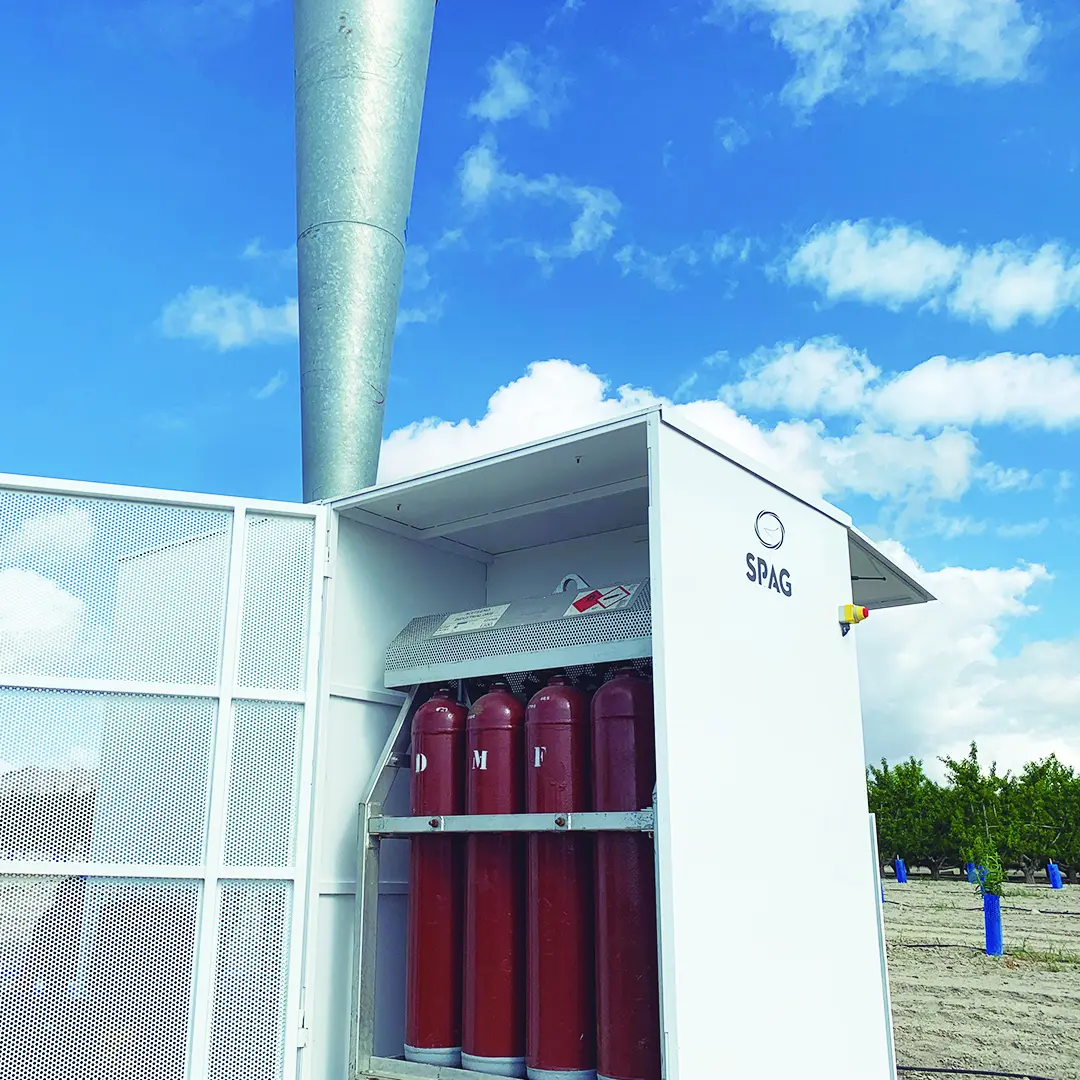
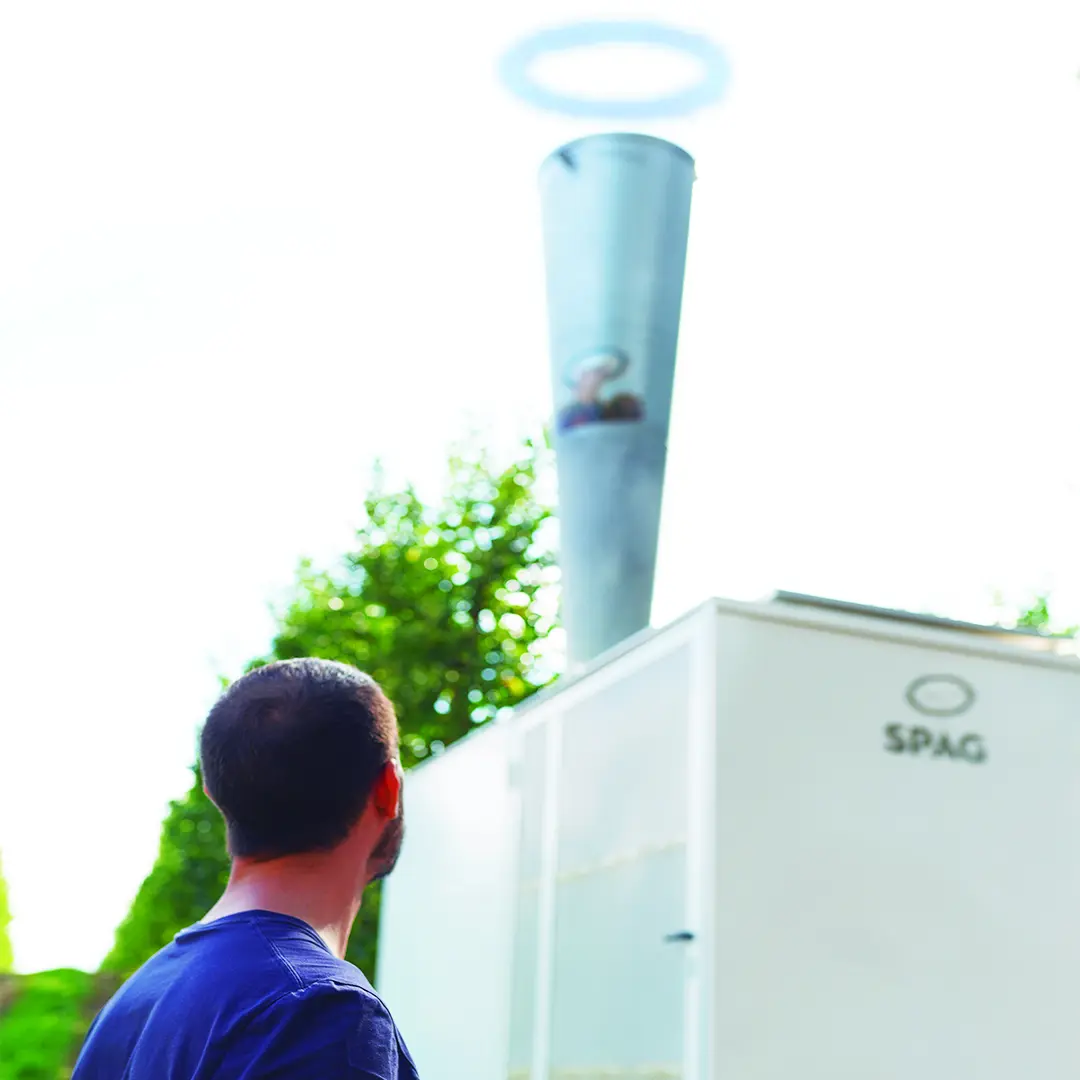
SPAG hail cannons use shock waves to disrupt hailstones while still in the cloud, converting them into rain and protecting crops from severe damage. It is a technology already tested in several countries and adapted to different weather conditions.
Main advantages
- Coverage of large areas with a single system
-
Does not interfere with fauna, flora, or the hydrological cycle
-
Automation and monitoring through sensors and weather radar
- Significant reduction in losses and costs associated with insurance
Applications
- Fruit growing
-
Viticulture
-
High-value horticulture
- Areas sensitive to recurring hail